Phone: +86-816-2295680
 E-mail: sales@dongfang-insulation.com


FR Grade Solutions for Power Applications
Explore our core flame-retardant material products purpose-built for demanding power and industrial applications.
What Is Normal FR Grade for Power Applications?
Understanding the fundamentals, standards, and industrial significance of flame-retardant materials in power systems.
The term Normal FR Grade refers to a category of flame-retardant (FR) materials that comply with established international safety standards — most notably UL 94 V-0, IEC 60695, and EN 13501 — and are specifically formulated for use across a wide range of power equipment, electrical insulation components, and energy infrastructure applications. Unlike specialty high-performance FR grades engineered for extreme aerospace or military conditions, Normal FR Grade materials offer an optimal balance of fire safety, mechanical integrity, electrical insulation performance, and cost-effectiveness for commercial and industrial power applications.
🔥 Key Insight: Normal FR Grade materials are the backbone of electrical safety in power generation, transmission, and distribution infrastructure worldwide — forming the essential insulation and structural layer in transformers, switchgear, motor systems, and renewable energy inverters.
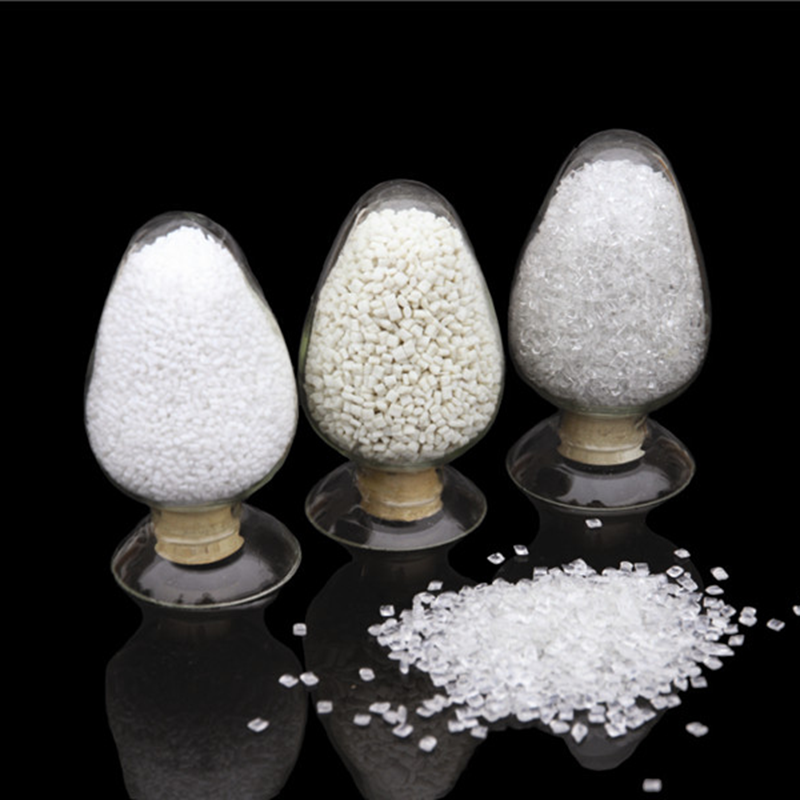
These materials typically include flame-retardant polyester films, halogen-free FR laminates, FR polyester chips, PVB interlayer films, phenolic and epoxy-based composites, and specialized resin systems. Their shared defining characteristic is the ability to self-extinguish upon removal of an ignition source, limiting flame spread and reducing toxic gas emission — both critical requirements in populated power facilities, substations, and smart grid infrastructure.
In the context of power applications, "Normal FR Grade" encompasses materials used in:
- Electrical insulation layers within dry-type and oil-immersed transformers
- Printed circuit board (PCB) base materials for power electronics
- Cable and wire wrapping systems in UHV transmission lines
- Structural composites in wind turbine nacelles and solar inverter housings
- Motor slot insulation and coil wrapping in industrial generators
- Rail traction power systems requiring low-smoke, halogen-free FR properties
Market Scale & Industry Impact
The global demand for Normal FR Grade materials in power applications is growing at an accelerating pace driven by energy transition and electrification trends.
Commercial & Industrial Status of Normal FR Grade
How Normal FR Grade materials are reshaping the global power industry landscape in 2024 and beyond.
Regulatory Drivers Accelerating Adoption
Stringent international fire safety regulations — including IEC 60695, UL 94, RoHS, and REACH — are increasingly mandating the use of certified FR Grade materials across power infrastructure projects. National grid operators in Europe, North America, and Asia-Pacific now require documented FR material compliance as part of equipment procurement specifications, creating a direct commercial demand surge for Normal FR Grade laminates, films, and resin systems.
Transition Toward Halogen-Free FR Systems
One of the most significant commercial shifts in recent years has been the transition from conventional halogenated FR materials to halogen-free FR alternatives. This is driven by environmental legislation (WEEE, RoHS Directive) and by end-user demand for safer, greener insulation materials in enclosed power facilities, data centers, and urban substations. Halogen-free FR polyester chips, yarns, and fabrics — such as those produced by Sichuan EM Technology — are rapidly gaining market share in this segment.
Smart Grid & EV Infrastructure Demand
The global smart grid expansion and the explosive growth of electric vehicle (EV) charging infrastructure are creating entirely new demand vectors for Normal FR Grade materials. Charging station enclosures, grid-edge inverters, and battery management system components all require FR-compliant insulation materials that maintain dielectric properties under thermal cycling. This represents one of the fastest-growing segments for Normal FR Grade product families in 2023–2026.
Development Trends in FR Grade Materials for Power
Emerging technology directions and market forces shaping the next generation of Normal FR Grade power application materials.
Eco-Friendly Halogen-Free Formulations
The industry is rapidly shifting toward phosphorus-nitrogen synergistic FR systems and bio-based intumescent coatings that eliminate halogenated compounds without sacrificing flame-retardant efficacy, meeting both IEC 60332 and EN 50575 standards for power cable sheathing.
AI-Assisted Material Development
Machine learning platforms are now being deployed to accelerate FR resin formulation research, predicting optimal phosphorus-loading levels and polymer matrix interactions — compressing development cycles from 24 months to under 6 months for new Normal FR Grade product variants.
FR Materials in Energy Storage Systems
Battery energy storage systems (BESS) for grid balancing are driving demand for high-temperature-resistant Normal FR Grade films and laminates that can withstand thermal runaway propagation, comply with UL 9540A test methods, and maintain structural integrity in lithium-ion battery module housings.
Low-Loss FR Films for 5G Power Infrastructure
As 5G base station deployment accelerates globally, power supply units and antenna housings require Normal FR Grade base films with low dielectric constants (Dk ≤ 3.5) and ultra-low dissipation factors, creating a new high-value niche within the broader FR materials market for power electronics.
Circular Economy & Recyclable FR Systems
Thermoplastic FR composites (vs. traditional thermoset) are gaining traction in power equipment manufacturing due to their end-of-life recyclability advantages, aligning with circular economy mandates from EU Green Deal and China's dual-carbon policy objectives.
UHV Transmission & Offshore Wind
Ultra-High Voltage (UHV) transmission projects and offshore wind farm expansion in China, Europe, and the US are creating unprecedented demand for specialized Normal FR Grade mica tapes, epoxy systems, and polyester films rated for 1000kV+ insulation systems operating in harsh maritime environments.
Deep-Dive Application Scenarios
Normal FR Grade materials serve as critical safety and performance enablers across the entire power value chain.
Power Generation
Stator slot insulation, coil winding tapes, and mica-based FR composites in hydro, thermal, and nuclear power generators requiring Class F/H thermal ratings.
UHV Transmission
Capacitor polypropylene films, crepe paper laminates, and FR polyester films for UHV transformer insulation systems operating at 500kV–1100kV.
Renewable Energy
FR base films for solar inverter PCBs, halogen-free encapsulants for PV junction boxes, and wind turbine nacelle fire protection liners.
Rail Traction Power
Low-smoke halogen-free FR laminates for onboard traction converters, insulation panels in metro substations, and cable sheathing meeting EN 45545-2 fire standards.
Smart Grid & Substations
FR epoxy encapsulants for smart meters, FR polyester films in dry-type distribution transformers, and arc-resistant structural composites in MV/LV switchgear panels.
Industrial Motors & Drives
Class H FR slot liners, interlayer films for high-efficiency IE4/IE5 motors, and flame-retardant molding compounds (DMC/SMC) for motor end shields and housings.
Transformer Insulation: A Technically Demanding FR Application
Dry-type transformers represent perhaps the most technically demanding application for Normal FR Grade materials in the power sector. These units — deployed widely in commercial buildings, data centers, and industrial facilities — rely on FR-rated cast resin systems, polyester films, and mica-based tape composites to simultaneously provide dielectric insulation, thermal management, and fire protection. The transition from oil-immersed to dry-type designs is accelerating globally, driven by indoor installation requirements and environmental considerations — directly boosting demand for high-performance Normal FR Grade insulation materials that meet IEC 60076-11 Class F1/F0 fire performance ratings.
New Energy Vehicle (NEV) Power Systems
The EV revolution is creating a new, high-volume application segment for Normal FR Grade films and resin systems. Onboard charger (OBC) PCBs, DC-DC converter housings, battery pack structural films, and high-voltage wire harness tape wrapping all demand FR materials with certified UL 94 V-0 performance, combined with excellent dielectric strength (≥200 kV/mm) and low thermal resistance — a combination ideally delivered by advanced Normal FR Grade polyester and polypropylene film products.
— COMPANY PROFILE
Sichuan EM Technology Co., Ltd. — A world-leading innovator in electrical insulation and FR materials.
Sichuan EM Technology Co., Ltd., established in 1966 and headquartered in Mianyang, Sichuan, south-west part of China, as the 1st public company of electrical insulation material manufacturer in China and National Insulation Material Engineering Technical Research Center, we have comprehensive R&D and manufacturing capabilities to manufacture polyester films, halogen-free polycarbonate and polypropylene films, capacitor polypropylene films, rigid & flexible laminates, mica tapes, thermosetting composites, precision coating product, molding compounds (DMC, SMC), functional PET chips (FR PET chip, anti-bacterial PET chip, etc.), impregnating varnishes and wire enamels, PVB resin & interlayers, special resin (esp. for CCL), etc. We are certified by ISO9001, IATF16949:2016, ISO10012, OHSAS18001 and ISO14001.
We export to the worldwide markets in varied industries, including power generation equipment, UHV power transmission, smart grid, new energy, rail transportation, consumer electronics, 5G communication, and panel display. EMT has established long-term and stable cooperative partnerships with all our partners across the world, whilst providing strong supports in manufacturing services to original equipment manufacturers (OEMs).

VISION
To Become a World-renowned Innovative New Material Product and Service Supplier.
MISSION
To Provide Safe and Environment-friendly New Material Solution for the Society, Create a Better New Life.
Milestone
Over five decades of continuous innovation in FR and insulation materials for global power applications.
Manufacturing Sites
Strategically distributed production bases across China ensuring supply chain resilience for global power application customers.

Production Network

Structure
A diversified corporate network of specialized subsidiaries driving FR material innovation across power, electronics, and advanced composites.
More FR Grade Products for Power Applications
Our extended portfolio of Normal FR Grade materials serving diverse power, electronics, and industrial application requirements.