Phone: +86-816-2295680
 E-mail: sales@dongfang-insulation.com


PVB Film Application — Featured Product Lines


What is PVB Resin & Why It Powers Critical PVB Film Applications?
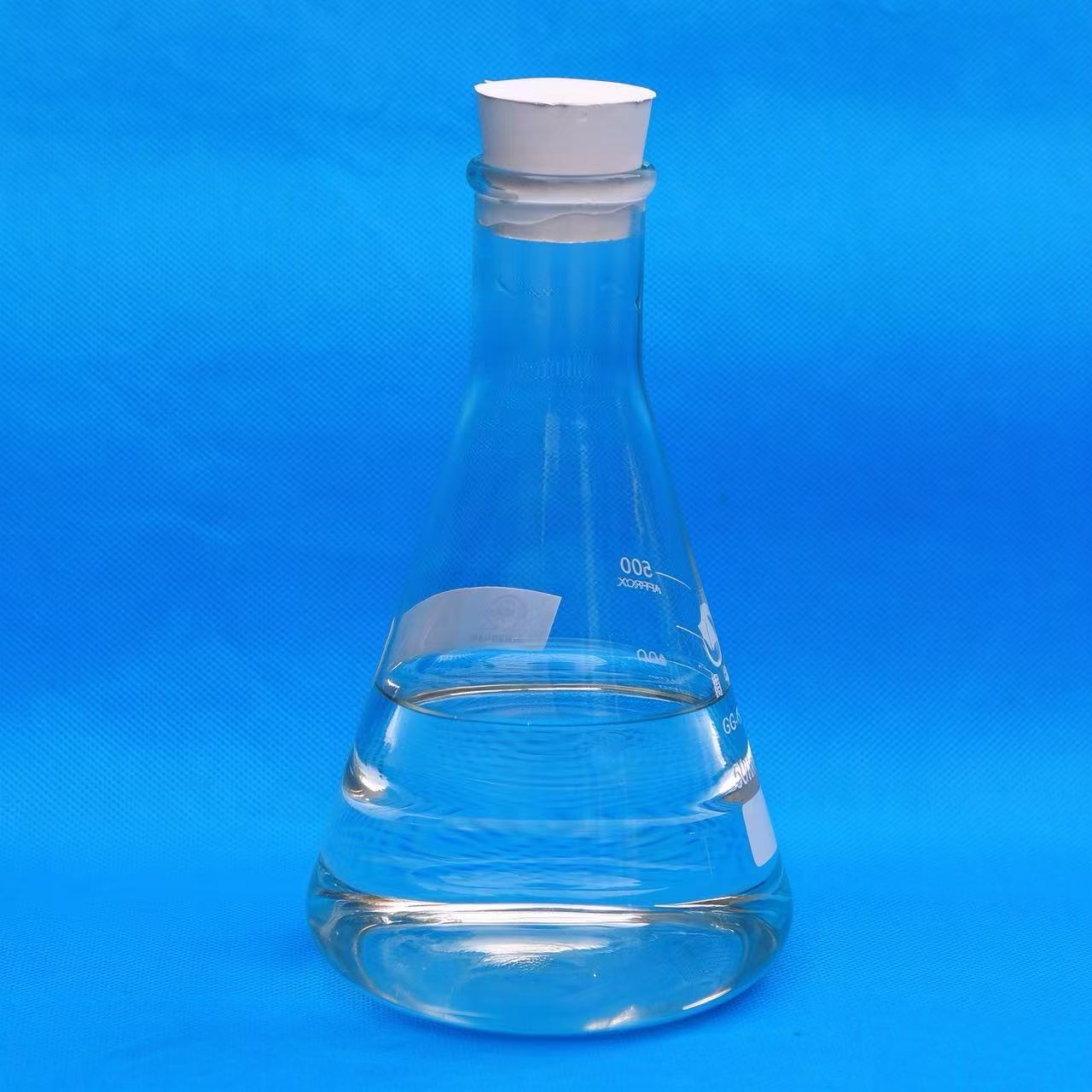
Polyvinyl butyral (PVB) resin is a thermoplastic polymer synthesized through the acetalization of polyvinyl alcohol (PVA) with butyraldehyde. Its unique molecular structure gives PVB resin exceptional adhesion to glass and metal surfaces, outstanding optical clarity, high flexibility, and superior impact resistance — making it the gold-standard raw material for manufacturing PVB interlayer films used across safety-critical industries worldwide.
PVB resin for PVB film has become one of the most strategically important specialty polymer materials in modern industrial manufacturing. Whether bonding laminated safety glass in automotive windshields, insulating photovoltaic modules, or constructing impact-resistant architectural glazing, the performance of PVB film is entirely determined by the grade and quality of the PVB resin used in its production.
At Sichuan EM Technology Co., Ltd. (EMT), PVB resin and PVB interlayer film development represents a core innovation pillar. With decades of experience, state-of-the-art production infrastructure, and a certified quality management system, EMT delivers PVB resin solutions tailored to the most demanding application environments globally.
Precision Synthesis
Controlled acetalization degree for optimized adhesion strength and optical clarity in every batch.
Global Reach
Exported to worldwide markets including automotive, construction, solar, and defense sectors.
Multi-Certified
ISO9001, IATF16949:2016, ISO14001 & OHSAS18001 certified production environment.

PVB Resin Market at a Glance
Key Application Scenarios for PVB Film
Automotive Laminated Windshields
PVB interlayer film is the definitive solution for automotive safety glazing. It bonds two glass plies, preventing shattering on impact, blocking 99% of UV rays, and contributing to noise reduction. With IATF16949 certification, EMT's PVB resin meets Tier-1 automotive OEM specifications globally.
Architectural Safety Glass
From hurricane-rated curtain walls to blast-resistant government building glazing, PVB film provides structural integrity. High-performance architectural PVB demands exceptional adhesion consistency and thermal stability — both hallmarks of premium PVB resin grades.
Photovoltaic (Solar) Module Encapsulation
PVB resin is increasingly adopted in solar PV panel encapsulation as an alternative to EVA, offering superior hydrolytic stability, low yellowing index, and enhanced long-term module performance. This application is seeing the fastest growth in the PVB film sector.
Aerospace & Defense Glazing
Military-grade canopies, cockpit windscreens, and aircraft cabin windows rely on specialized PVB interlayers with exacting optical distortion standards and ballistic resistance. EMT's aerospace-grade PVB resins support these high-specification needs.
Rail Transportation
High-speed train windshields and cabin partition glass use PVB film to meet stringent impact, vibration, and temperature cycling requirements. EMT serves major rail OEMs across China and international markets with certified PVB interlayer solutions.
New Energy Vehicles (NEV)
As electric vehicles proliferate, panoramic glass roofs and large-format laminated windows are becoming standard. These applications demand PVB films with excellent UV shielding, acoustic performance, and compatibility with embedded antenna and heating wire systems.
Industry Trends Shaping PVB Resin & Film Development
Acoustic PVB for Premium Vehicles
High-end automotive manufacturers increasingly specify acoustic-grade PVB films with multi-layer structures that deliver superior noise, vibration, and harshness (NVH) performance. This is driving demand for specialized PVB resins with carefully tuned viscoelastic properties for sound dampening at specific frequency ranges.
Solar-Grade PVB Displacing EVA
The photovoltaic industry is witnessing a gradual shift from traditional EVA encapsulants to PVB films, driven by PVB's superior resistance to moisture ingress, delamination-free performance over 25+ year lifespans, and compatibility with thin-film and bifacial solar cell technologies.
Smart Glass Integration
The advent of electrochromic, thermochromic, and PDLC (polymer-dispersed liquid crystal) smart glass is creating entirely new PVB formulation requirements. PVB resin must now serve as both adhesive interlayer and functional carrier substrate for embedded electronic elements within laminated glass systems.
Sustainability & Circular Economy
Environmental regulations in Europe, North America, and China are accelerating research into bio-based plasticizers for PVB, as well as advanced recycling processes for end-of-life PVB film. EMT is actively investing in R&D for greener PVB resin production pathways aligned with ISO14001 standards.
High-Performance Structural Glazing
Modern infrastructure projects — from airport terminals to iconic urban facades — are demanding ever-larger laminated glass panels. This requires PVB films with enhanced creep resistance, uniform thickness tolerances below ±0.01mm, and stable optical performance under prolonged thermal stress.
Defense & Security Applications
Ballistic-resistant and blast-mitigation glazing for government buildings, embassies, and armored vehicles requires ultra-thick PVB interlayer stacks, often combined with polycarbonate layers. EMT's capability in both PVB resin and PC/PP film places it in a unique position to serve these composite glazing applications.
— COMPANY PROFILE
Sichuan EM Technology Co., Ltd., established in 1966 and headquartered in Mianyang, Sichuan, south-west part of China, as the 1st public company of electrical insulation material manufacturer in China and National Insulation Material Engineering Technical Research Center, we have comprehensive R&D and manufacturing capabilities to manufacture polyester films, halogen-free polycarbonate and polypropylene films, capacitor polypropylene films, rigid & flexible laminates, mica tapes, thermosetting composites, precision coating product, molding compounds (DMC, SMC), functional PET chips (FR PET chip, anti-bacterial PET chip, etc.), impregnating varnishes and wire enamels, PVB resin & interlayers, special resin (esp. for CCL), etc. We are certified by ISO9001, IATF16949:2016, ISO10012, OHSAS18001 and ISO14001.
We export to the worldwide markets in varied industries, including power generation equipment, UHV power transmission, smart grid, new energy, rail transportation, consumer electronics, 5G communication, and panel display. EMT has established long-term and stable cooperative partnerships with all our partners across the world, whilst providing strong supports in manufacturing services to original equipment manufacturers (OEMs).
Vision & Mission
To Become a World-renowned Innovative New Material Product and Service Supplier.
To Provide Safe and Environment-friendly New Material Solution for the Society, Create a Better New Life.
Milestone
2024
Meishan base established. Chengdu second headquarters officially completed.
2023
Shandong Aimonte was awarded the title of "Little Giant with Specialization, Specialization and Innovation" in Shandong Province. Aimonte Aviation was awarded the National Second-Class Confidentiality Qualification. Henan Huajia was awarded the title of "Gazelle" Enterprise in Henan Province.
2022
Established Chengdu Glenson Health Technology Co., Ltd., and Sichuan EM Technology (Chengdu) International Trading Co., LTD.
2021
Established Sichuan EM Functional Film Materials & Technology Co. Ltd., and Sichuan EMT New Material Co., Ltd.
2020
Wholly-owned acquired Shandong Shengtong Optical Materials Technology Co, Ltd., and established Shandong EMT New Material Co., Ltd.
2018
Established EMT Chengdu New Material Co., Ltd., and Chengdu Drug and Cancer Pharmaceutical Technology Co., Ltd.
2015
Acquired 51% of total equity of Taihu Jinzhang Science & Technology Co., Ltd.
2014
Acquired 62.5% of total equity of Henan Huajia New Material Technology Co., Ltd.
2012
Established Jiangsu EMT New Material Co., Ltd.
2011
Listed on the Shanghai A-share market, the first electrical insulation materials industry listed company in China.
2007
Renamed Sichuan EM Technology Co., Ltd.
2005
Wholly-owned acquisition by Guangzhou Gaoking Group.
1994
Restructured into Sichuan Dongfang Insulation Materials Co., Ltd., and established Sichuan EM Enterprise Group Company.
1966
EMT's predecessor, state-owned Dongfang Insulation Material Factory relocated from Harbin to Sichuan.
Manufacturing Sites


Chengdu Site — Advanced film production and R&D hub.
Mianyang Site 2 — PVB resin and specialty polymer production.
Sichuan EMT New Material — Functional film materials manufacturing.
Central China Site (Henan Huajia) — Composite and laminate production.
Eastern China Site (Jiangsu EMT) — PET and specialty film lines.
Shandong Dongrun New Material — High-performance polymer production.
Shandong EMT New Material — Optical and electronic film materials.
SNTON Optical Material — Optical-grade film and resin production.
Corporate Structure
- Sichuan Dongfang Insulation Material Co., Ltd.
- Sichuan EMT New Material Co., Ltd.
- Jiangsu EMT New Material Co., Ltd.
- Shandong Shengtong Optical Materials Technology Co., Ltd.
- EMT Chengdu New Materials Technology Co., Ltd.
- Chengdu D&C Pharma. Technology Co., Ltd.
- Sichuan EMT Aviation Equipment Co., Ltd.
- Henan Huajia New Material Technology Co., Ltd.
- Shandong EMT New Material Co., Ltd.
- Shandong Dongrun New Material Co., Ltd.
- Sichuan EM Functional Film Materials & Technology Co., Ltd.
- Sichuan EM Technology (Chengdu) International Trading Co., Ltd.