Phone: +86-816-2295680
 E-mail: sales@dongfang-insulation.com


PVB Adhesive Application — Featured Products
Core materials engineered for adhesive performance in demanding environments
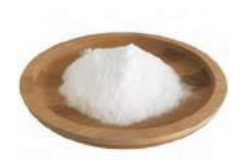


PVB Resin in Adhesives: A Deep-Dive Industry Analysis
Understanding the chemistry, commercial landscape, and future of PVB-based adhesive systems
Polyvinyl Butyral (PVB) resin has emerged as one of the most versatile and strategically significant polymer materials in modern adhesive formulations. Originally recognized for its role in laminated safety glass, PVB resin's exceptional binding strength, optical clarity, flexibility, and chemical resistance have propelled its adoption across a rapidly expanding range of industrial and commercial adhesive applications. From automotive structural bonding to next-generation electronics encapsulation, PVB resin for use in adhesives is reshaping manufacturing paradigms worldwide.
What Makes PVB Resin Uniquely Suited for Adhesive Applications?
PVB resin is synthesized through the condensation of polyvinyl alcohol (PVA) with butyraldehyde, yielding a thermoplastic polymer that combines high adhesion to diverse substrates, excellent film-forming properties, outstanding flexibility even at low temperatures, and superior compatibility with plasticizers, pigments, and crosslinkers. These inherent characteristics make it an ideal binder resin in water-based, solvent-based, and reactive adhesive systems, enabling formulators to engineer performance precisely matched to the most demanding application environments.
Superior Multi-Substrate Adhesion
PVB resin adheres strongly to glass, metals, ceramics, polyesters, and many plastics, making it the preferred binder in structural, laminating, and decorative adhesive formulations requiring broad substrate compatibility.
Thermal & Mechanical Resilience
Adhesives formulated with PVB resin maintain performance across wide temperature ranges (-40°C to +80°C), offering excellent impact absorption, vibration damping, and resistance to mechanical stress — critical in automotive and aerospace applications.
Moisture & Chemical Resistance
PVB-based adhesives deliver reliable barrier performance against moisture ingress, UV degradation, and a broad range of industrial chemicals, extending service life in harsh outdoor and industrial operating conditions.
Electrical Insulation Properties
With excellent dielectric properties, PVB resin-based adhesives are widely used in electronic component encapsulation, transformer insulation tape bonding, and PCB laminate systems, providing both bonding strength and electrical isolation.
Key Application Scenarios: PVB Resin in Adhesives
Exploring the industrial and commercial environments where PVB adhesive systems deliver unmatched value
🚗 Automotive Structural Bonding
In modern automotive manufacturing, PVB resin adhesives are integral to windshield lamination, interior trim bonding, acoustic glass assemblies, and advanced driver-assistance system (ADAS) sensor encapsulation. The ability to simultaneously provide optical clarity, structural integrity, and vibration damping makes PVB adhesives a preferred solution for OEM and aftermarket applications alike. As vehicle lightweighting strategies accelerate, PVB adhesive systems are increasingly replacing mechanical fasteners in body panel and composite structure bonding.
🏢 Architectural & Construction Laminating
Safety and security glazing in commercial buildings, facades, skylights, and curtain wall systems rely heavily on PVB resin-based adhesive interlayers. Beyond structural lamination, PVB adhesives are utilized in bonding decorative glass films, anti-graffiti coatings, and solar control layers to architectural glass. The drive toward energy-efficient building envelopes and smart glass technologies is creating expanded demand for high-performance PVB adhesive formulations in the construction sector.
⚡ Photovoltaic & Solar Panel Manufacturing
PVB encapsulant adhesives are essential components in solar module production, providing the bonding layer between photovoltaic cells and protective glass substrates. The combination of optical transparency, moisture resistance, and long-term UV stability ensures durability over 25+ year product lifetimes. With the global solar industry targeting multi-terawatt-scale installations, PVB adhesive demand in photovoltaics is projected to grow substantially through 2030.
🔌 Electronics & Display Panel Adhesion
In consumer electronics and display technologies, PVB resin-based adhesives serve as optical clear adhesives (OCA) for touchscreen bonding, display lamination in smartphones, tablets, and automotive infotainment panels. The transition to flexible OLED displays and foldable device architectures demands adhesive systems with exceptional flexibility and bond reliability — characteristics inherent in well-formulated PVB resin systems. Additionally, PVB adhesives are deployed in PCB laminate bonding and electronic component encapsulation across 5G communication and IoT devices.
✈️ Aerospace & Defense Applications
Aircraft canopy glazing, cockpit windshield lamination, and armored vehicle transparent armor systems utilize PVB adhesive interlayers engineered to withstand extreme mechanical impact, ballistic forces, and pressure differentials. Military and aerospace specifications demand adhesive systems demonstrating consistent performance under rapid temperature cycling, UV exposure, and high-altitude low-temperature conditions — a demanding specification profile that PVB resin adhesives are uniquely positioned to meet.
🏭 Industrial Insulation & Electrical Equipment
PVB resin adhesives are widely used in the bonding of mica tapes, insulation films, and composite laminates in electrical motors, transformers, and high-voltage equipment. As the energy sector transitions toward ultra-high voltage (UHV) power transmission networks and smart grid infrastructure, the demand for reliable insulation adhesive materials — including PVB-based systems — is expanding significantly across power generation and distribution equipment manufacturing.
Market Trends & Development Outlook
Commercial and industrial forces shaping the evolution of PVB resin adhesive markets globally
Green Chemistry & Sustainability Transition
Environmental regulations and corporate sustainability commitments are driving the reformulation of PVB adhesive systems toward lower-VOC, water-based, and bio-sourced platforms. Leading resin producers are investing in bio-based butyraldehyde feedstocks and recyclable PVB formulations to align with circular economy principles. The development of PVB resins compatible with solvent-free hot-melt and UV-cure adhesive processes represents a significant frontier for the industry through 2030.
Electric Vehicle (EV) Industry Acceleration
The global EV revolution is generating strong tailwind demand for PVB adhesive applications in battery pack assembly, thermal management laminate bonding, and lightweight structural glazing. EV manufacturers require adhesive systems that deliver multi-functional performance — structural bonding, electrical insulation, thermal conductivity management, and fire resistance — within a single material solution. High-performance PVB adhesive grades are increasingly specified in EV platform development programs.
Smart Glass & Intelligent Building Integration
The adoption of electrochromic, thermochromic, and PDLC smart glass technologies in commercial buildings, automotive sunroofs, and aircraft windows is creating demand for PVB adhesive interlayers compatible with embedded electronic elements and conductive coatings. As smart building markets grow toward a projected $100B+ global valuation, PVB adhesive manufacturers are developing specialized formulations for next-generation intelligent glazing assemblies.
Asia-Pacific Manufacturing Dominance
China, South Korea, Japan, and India collectively represent over 65% of global PVB resin consumption in adhesive applications, driven by dominant positions in automotive glass, solar panel, electronics, and construction material manufacturing. Chinese producers such as Sichuan EM Technology are investing heavily in PVB resin R&D and capacity expansion to capture growing global export market share while servicing rapidly expanding domestic demand in EV, 5G, and new energy sectors.
Functional Hybrid PVB Adhesive Formulations
The next generation of PVB resin adhesives incorporates functional additives — nanoparticles, graphene, phase-change materials, and antimicrobial agents — to deliver enhanced thermal management, EMI shielding, self-healing capability, and hygiene performance. These multifunctional hybrid formulations are targeted at high-value applications in aerospace, medical device manufacturing, and advanced electronics where adhesive performance requirements have moved far beyond simple bonding.
Typical Technical Properties of PVB Resin for Adhesives
Key performance parameters guiding material selection for adhesive formulation engineers
| Property | Typical Value / Range | Significance in Adhesive Use |
|---|---|---|
| Butyral Content | 70 – 80 mol% | Controls hydrophobicity, flexibility, and adhesion to hydrophobic substrates |
| Hydroxyl Content | 18 – 22 mol% | Governs adhesion to polar substrates, crosslinking reactivity, and moisture sensitivity |
| Molecular Weight (Mw) | 40,000 – 200,000 g/mol | Influences viscosity, film strength, and peel adhesion in adhesive formulations |
| Glass Transition Temp (Tg) | 55 – 75°C | Defines service temperature range and flexibility requirements for formulation |
| Solubility | Esters, ketones, alcohols | Enables broad solvent-based formulation flexibility for diverse adhesive systems |
| Tensile Strength | 25 – 40 MPa | Provides cohesive strength critical in structural and load-bearing adhesive joints |
| Elongation at Break | 200 – 400% | Enables stress distribution and prevents brittle bond failure in dynamic applications |
| Dielectric Strength | >20 kV/mm | Qualifies PVB adhesives for electrical insulation bonding in HV equipment |
— COMPANY PROFILE
Sichuan EM Technology Co., Ltd. — A Global Leader in Advanced Material Innovation
Sichuan EM Technology Co., Ltd., established in 1966 and headquartered in Mianyang, Sichuan, south-west part of China, as the 1st public company of electrical insulation material manufacturer in China and National Insulation Material Engineering Technical Research Center, we have comprehensive R&D and manufacturing capabilities to manufacture polyester films, halogen-free polycarbonate and polypropylene films, capacitor polypropylene films, rigid & flexible laminates, mica tapes, thermosetting composites, precision coating product, molding compounds (DMC, SMC), functional PET chips (FR PET chip, anti-bacterial PET chip, etc.), impregnating varnishes and wire enamels, PVB resin & interlayers, special resin (esp. for CCL), etc. We are certified by ISO9001, IATF16949:2016, ISO10012, OHSAS18001 and ISO14001.
We export to the worldwide markets in varied industries, including power generation equipment, UHV power transmission, smart grid, new energy, rail transportation, consumer electronics, 5G communication, and panel display. EMT has established long-term and stable cooperative partnerships with all our partners across the world, whilst providing strong supports in manufacturing services to original equipment manufacturers (OEMs).

Our Vision & Mission
Guiding principles behind every PVB resin innovation we bring to market
To Become a World-renowned Innovative New Material Product and Service Supplier.
To Provide Safe and Environment-friendly New Material Solution for the Society, Create a Better New Life.
Milestone
A legacy of innovation spanning over five decades of material science leadership
2024
Meishan base established
Chengdu second headquarters officially completed
2023
Shandong Aimonte was awarded the title of "Little Giant with Specialization, Specialization and Innovation" in Shandong Province, Aimonte Aviation was awarded the National Second-Class Confidentiality Qualification, and Henan Huajia was awarded the title of "Gazelle" Enterprise in Henan Province
2022
Established Chengdu Glenson Health Technology Co., Ltd., and Sichuan EM Technology (Chengdu) International Trading Co., LTD.
2021
Established Sichuan EM Functional Film Materials & Technology Co. Ltd., and Sichuan EMT New Material Co., Ltd.
2020
Wholly-owned acquired Shandong Shengtong Optical Materials Technology Co, Ltd., and established Shandong EMT New Material Co., Ltd.
2018
Established EMT Chengdu New Material Co., Ltd., and Chengdu Drug and Cancer Pharmaceutical Technology Co., Ltd.
2015
Acquired 51% of total equity of Taihu Jinzhang Science & Technology Co., Ltd.
2014
Acquired 62.5% of total equity of Henan Huajia New Material Technology Co., Ltd.
2012
Established Jiangsu EMT New Material Co., Ltd.
2011
Listed on the Shanghai A-share market, the first electrical insulation materials industry listed company in China.
2007
Renamed Sichuan EM Technology Co., Ltd.
2005
Wholly-owned acquisition by Guangzhou Gaoking Group.
1994
Restructured into Sichuan Dongfang Insulation Materials Co., Ltd., and established Sichuan EM Enterprise Group Company
1966
EMT's predecessor, state-owned Dongfang Insulation Material Factory relocated from Harbin to Sichuan
Manufacturing Sites
Multi-site manufacturing infrastructure supporting global PVB resin and adhesive supply chains


Structure
A diversified group of subsidiaries united by innovation in advanced material solutions
● Sichuan Dongfang Insulation Material Co., Ltd.
● Sichuan EMT New Material Co., Ltd.
● Jiangsu EMT New Material Co., Ltd.
● Shandong Shengtong Optical Materials Technology Co., Ltd.
● EMT Chengdu New Materials Technology Co., Ltd.
● Chengdu D&C Pharma. Technology Co., Ltd.
● Sichuan EMT Aviation Equipment Co., Ltd.
● Henan Huajia New Material Technology Co., Ltd.
● Shandong EMT New Material Co., Ltd.
● Shandong Dongrun New Material Co., Ltd.
● Sichuan EM Functional Film Materials & Technology Co., Ltd.
● Sichuan EM Technology (Chengdu) International Trading Co., Ltd.
PVB Adhesive System — Related Product Range
Comprehensive material solutions engineered to complement PVB resin adhesive performance