Phone: +86-816-2295680
 E-mail: sales@dongfang-insulation.com


Related Safety & Health Protection Products
Explore our advanced material solutions designed for safety, protection, and high-performance industrial applications.
What Is PVB Resin & Why It Matters for Safety Coatings
A deep-dive into the chemistry, performance, and commercial significance of polyvinyl butyral resin in protective coating systems.
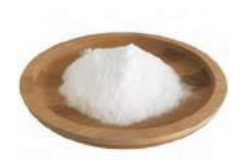
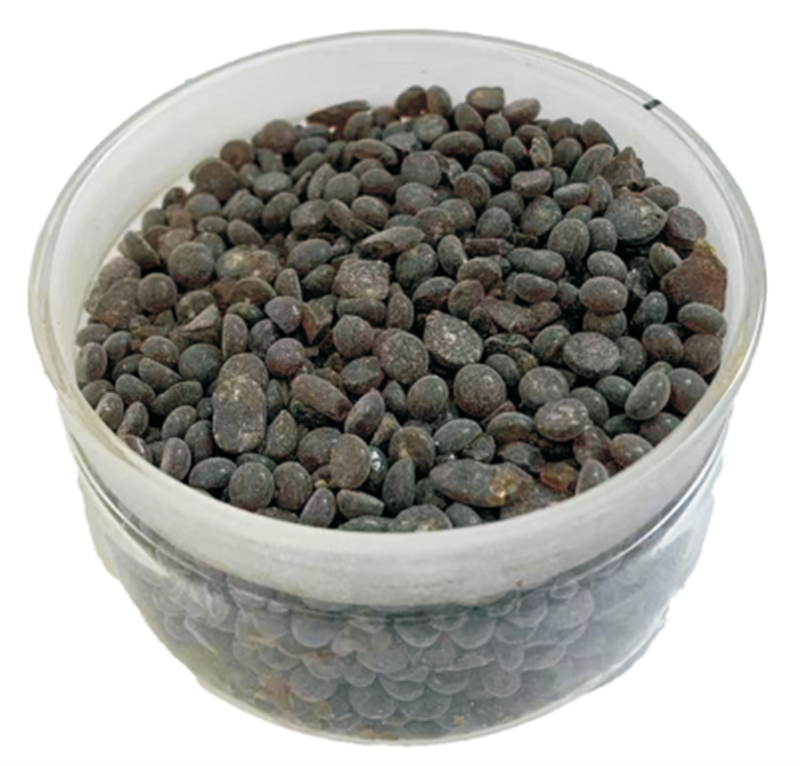
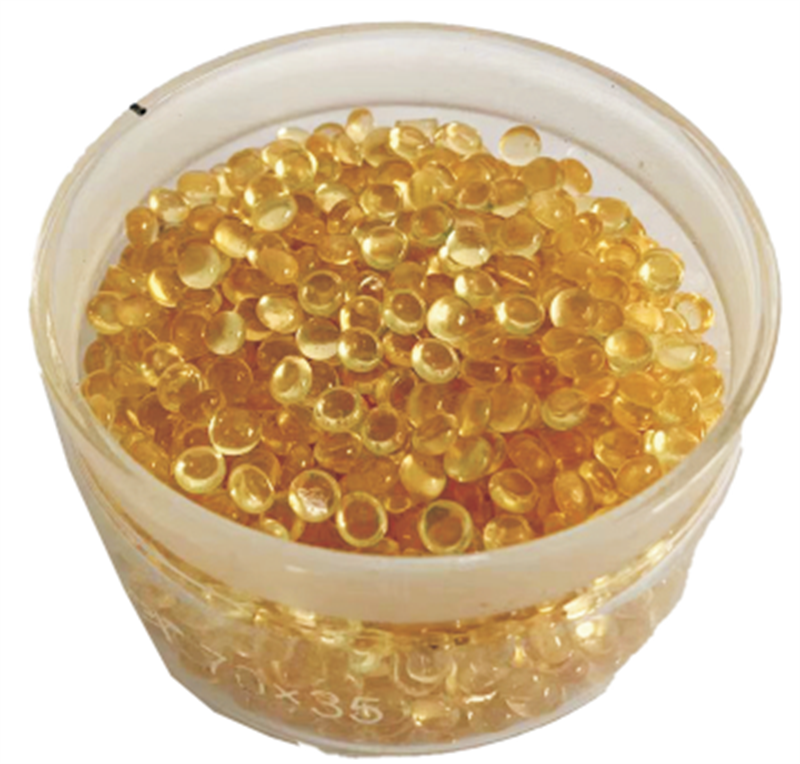
Polyvinyl butyral (PVB) resin is a thermoplastic polymer produced through the acetalisation of polyvinyl alcohol with butyraldehyde. Its unique molecular structure imparts an exceptional combination of transparency, toughness, flexibility, adhesion, and chemical resistance — properties that make it indispensable in safety and health protection coating applications across modern industry.
In coating formulations, PVB resin serves as an outstanding film-forming binder. When dissolved in common organic solvents such as ethanol, methanol, or mixtures of aromatic hydrocarbons, it produces homogeneous, low-viscosity solutions that can be applied by brushing, spraying, rolling, or dipping onto virtually any substrate — metal, glass, wood, concrete, or plastics. The resulting dried film is crystal-clear, highly flexible, and strongly adherent, providing a durable barrier against moisture, corrosive chemicals, UV radiation, mechanical abrasion, and biological contamination.
From industrial metal primers and protective architectural coatings to medical device encapsulation, pharmaceutical packaging, and occupational safety equipment — PVB resin-based coatings have become a critical material platform for engineers and formulators seeking performance, compliance, and sustainability.
Core Properties That Define PVB Resin Performance in Safety Coatings
Understanding why PVB resin excels in safety and health protection coatings requires a look at its defining physicochemical characteristics:
Outstanding Adhesion
PVB resin bonds strongly to metal, glass, and polymer substrates, forming a robust protective interface critical in corrosion-resistant primers and safety coatings.
High Transparency & Optical Clarity
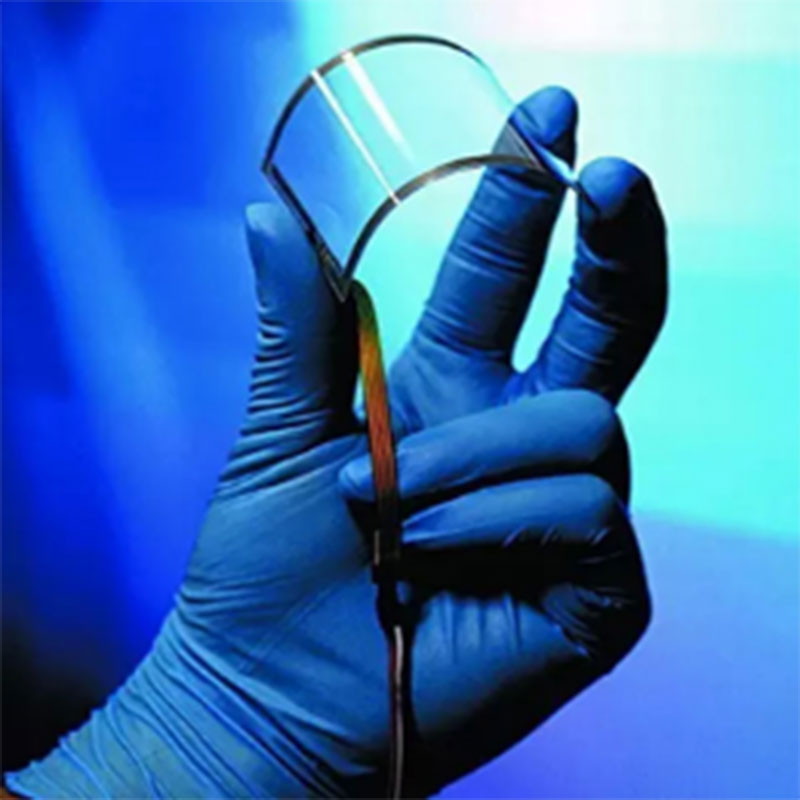
Allows formulation of crystal-clear protective films for laminated safety glass, optical devices, and medical transparent barriers without sacrificing barrier performance.
Superior Flexibility & Impact Resistance
PVB coatings remain flexible at low temperatures, absorbing mechanical energy and resisting cracking — essential for safety glazing and protective enclosures.
Moisture & Chemical Resistance
Cross-linked PVB films resist water ingress, acids, alkalis, and organic solvents, making them suitable for harsh industrial and healthcare environments.
Low Toxicity & Biocompatibility
PVB resin is characterized by excellent biocompatibility and low toxicity profiles, meeting rigorous standards for medical, food-contact, and occupational health applications.
Commercial & Industrial Market Status of PVB Resin Coatings
The global PVB resin market is experiencing robust growth, driven by stringent safety regulations, expanding infrastructure investment, and rising awareness of occupational and public health protection.
The global market for PVB resin used in coatings for safety and health protection is currently valued at approximately USD 4.8 billion and is projected to grow at a compound annual growth rate (CAGR) of over 6% through 2030. This growth is being driven by several converging forces: increasingly stringent occupational health and safety (OHS) regulations in North America, the European Union, and East Asia; rapid expansion of construction and infrastructure projects demanding certified safety glazing and structural coatings; and growing deployment of PVB-based coatings in the healthcare and pharmaceutical sectors.
Asia-Pacific currently leads global PVB resin consumption, with China alone accounting for over 40% of global demand. Domestic manufacturers like Sichuan EM Technology Co., Ltd. have been pivotal in developing high-performance, cost-competitive PVB resin grades specifically optimized for coating applications — displacing imports and elevating Chinese material standards to international benchmarks.
In Europe and North America, market growth is predominantly driven by retrofit safety glazing programs, green building certifications (LEED, BREEAM), and growing applications of PVB coatings in the healthcare sector. Pharmaceutical manufacturers increasingly demand PVB-based encapsulation coatings for medical devices and packaging, where biocompatibility and sterilization resistance are non-negotiable.
Deep-Dive Application Scenarios: PVB Resin in Safety & Health Protection Coatings
From architecture to aerospace, PVB resin coatings are redefining protection standards across diverse industries.
🏗️ Architectural Safety Glazing Primers
PVB resin-based primers are applied to laminated architectural glass substrates to enhance inter-layer adhesion between the PVB interlayer film and the glass pane. In safety glass systems for curtain walls, skylights, and structural glazing, these primers dramatically improve post-breakage fragment retention, preventing glass shards from causing injury. Building codes in the EU (EN 14449) and the USA (ANSI Z97.1) now mandate performance criteria that PVB-primed laminated glass reliably meets.
🚗 Automotive & Transportation Safety Coatings
In the automotive sector, PVB resin coatings are deployed both as windshield primer systems and as protective functional coatings on interior components. Advanced driver-assistance systems (ADAS) require windshield glass with precisely controlled optical clarity and acoustic performance — specifications that PVB coating primers help achieve. Additionally, PVB coatings on automotive body parts provide anti-corrosion protection, extending vehicle life and supporting passive safety.
🏥 Medical Device & Healthcare Coatings
The healthcare industry leverages PVB resin's biocompatibility, chemical inertness, and film-forming versatility to coat surgical instruments, diagnostic equipment housings, and pharmaceutical packaging. PVB coatings create smooth, non-porous surfaces that resist bacterial biofilm formation — a critical requirement in infection control. Gamma and ethylene oxide sterilization compatibility makes PVB-coated medical devices suitable for single-use and reusable applications alike.
🏭 Industrial Anti-Corrosion Protective Coatings
PVB wash primers (also called etch primers) have long been a first-choice pre-treatment for metal surfaces in aggressive industrial environments — offshore platforms, chemical plants, power generation facilities, and heavy equipment. The resin's strong adhesion to bare metal, combined with zinc phosphate pigment passivation, delivers outstanding corrosion resistance. PVB primer systems comply with ISO 12944 and SSPC specifications for protective coatings in industrial environments.
⚡ Electrical & Electronic Insulation Coatings
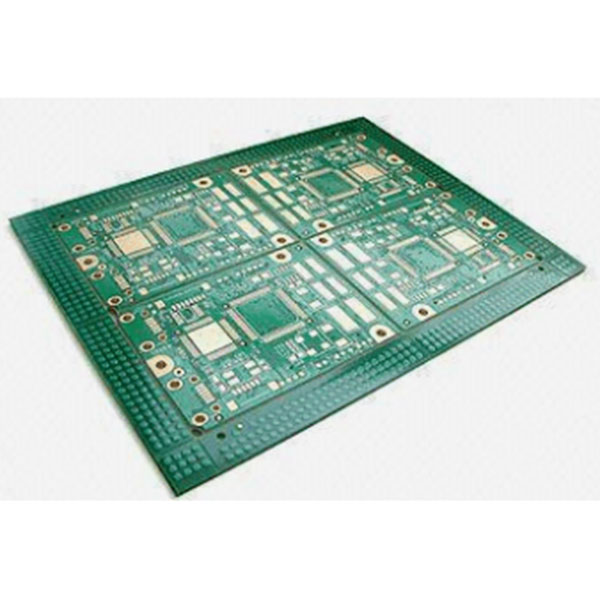
In the electrical insulation sector — a domain where Sichuan EM Technology holds decades of expertise — PVB resin-based coatings are used as conformal protective coatings for printed circuit boards (PCBs), transformers, and coil windings. These coatings provide dielectric insulation, moisture exclusion, and mechanical protection, directly supporting the electrical safety of consumer electronics, 5G infrastructure, smart grids, and rail transportation systems.
🌿 Environmental & Occupational Health Coatings
PVB resin coatings play a growing role in occupational health and environmental protection applications. High-performance PVB-based floor coatings in laboratories, hospitals, and food processing facilities provide slip resistance, chemical containment, and ease of decontamination. Encapsulation coatings based on PVB are also used to stabilize hazardous waste surfaces and control dust and fiber emissions from legacy building materials such as asbestos-containing compounds.
PVB Resin: The Invisible Shield in Modern Safety Infrastructure
Whether it's the windshield that protects you in a collision, the coating on a surgical instrument that prevents infection, or the primer that guards a steel bridge against corrosion — PVB resin-based coatings form an invisible but essential layer of safety and health protection across the built environment. Sichuan EM Technology's advanced PVB resin grades are formulated to meet the most demanding international safety and quality standards, delivering consistent, reliable protection at every scale of application.
Development Trends Shaping the Future of PVB Resin Safety Coatings
Innovation in polymer chemistry, sustainability mandates, and digital manufacturing are reshaping PVB resin's role in next-generation protective coatings.
Waterborne & Low-VOC PVB Coating Formulations
Environmental regulations globally are tightening limits on volatile organic compound (VOC) emissions from industrial coatings. PVB resin manufacturers are responding with water-dispersible and low-VOC grades that maintain adhesion and barrier performance while meeting increasingly stringent air quality standards. These formulations are particularly relevant for interior architectural applications and healthcare facilities where occupant exposure to solvents is a concern.
Nano-Modified PVB Coatings for Enhanced Protection
The integration of nanoparticles — including nano-silica, nano-zinc oxide, graphene oxide, and halloysite nanotubes — into PVB coating matrices is yielding dramatic improvements in mechanical strength, UV resistance, antimicrobial activity, and thermal stability. Nano-modified PVB coatings are emerging as the new standard for high-performance safety applications in aerospace, defense, and critical infrastructure protection.
Smart & Functional Safety Coatings
The convergence of PVB resin technology with smart material concepts is generating coatings with self-healing properties, electrochromic functionality, and integrated sensing capabilities. Smart PVB safety coatings that change color in response to structural damage or chemical contamination are under active development for aerospace, nuclear facility, and critical infrastructure monitoring — representing a transformative leap from passive to active protection paradigms.
Regulatory-Driven Growth in Healthcare Coatings
Post-pandemic awareness of infection control has accelerated regulatory requirements for antimicrobial surface coatings in hospitals, clinics, and public spaces. PVB resin, with its inherent compatibility with antimicrobial additives (silver ions, quaternary ammonium compounds, copper compounds), is positioned as a leading matrix material for next-generation healthcare facility coatings that combine structural protection with active microbial suppression.
Circular Economy & Bio-Based PVB Alternatives
Sustainability mandates are driving R&D investment into partially bio-based PVB resins derived from bio-butyraldehyde feedstocks, and into recycling technologies for PVB waste streams from laminated glass. Life cycle assessment (LCA) methodology is being applied to quantify the environmental credentials of PVB coatings, supporting green procurement decisions in construction, automotive, and electronics sectors.
Digital Manufacturing & Precision Coating Technologies
Advanced coating application technologies — including robotic spray systems, inkjet deposition, and atomic layer deposition (ALD) — are enabling precision placement of PVB coating films at micro and nanoscale levels. These digital manufacturing capabilities unlock new application scenarios in microelectronics packaging, flexible display safety coatings, and personalized medical device protection that were previously inaccessible to PVB-based coating systems.
— COMPANY PROFILE
A world-class manufacturer with over five decades of material science innovation.
Sichuan EM Technology Co., Ltd., established in 1966 and headquartered in Mianyang, Sichuan, south-west part of China, as the 1st public company of electrical insulation material manufacturer in China and National Insulation Material Engineering Technical Research Center, we have comprehensive R&D and manufacturing capabilities to manufacture polyester films, halogen-free polycarbonate and polypropylene films, capacitor polypropylene films, rigid & flexible laminates, mica tapes, thermosetting composites, precision coating product, molding compounds (DMC, SMC), functional PET chips (FR PET chip, anti-bacterial PET chip, etc.), impregnating varnishes and wire enamels, PVB resin & interlayers, special resin (esp. for CCL), etc. We are certified by ISO9001, IATF16949:2016, ISO10012, OHSAS18001 and ISO14001.
We export to the worldwide markets in varied industries, including power generation equipment, UHV power transmission, smart grid, new energy, rail transportation, consumer electronics, 5G communication, and panel display. EMT has established long-term and stable cooperative partnerships with all our partners across the world, whilst providing strong supports in manufacturing services to original equipment manufacturers (OEMs).

Vision & Mission
VISION
To Become a World-renowned Innovative New Material Product and Service Supplier.
MISSION
To Provide Safe and Environment-friendly New Material Solution for the Society, Create a Better New Life.
Milestone
Over five decades of continuous innovation, expansion, and leadership in advanced material science.
2024
Meishan base established. Chengdu second headquarters officially completed.
2023
Shandong Aimonte awarded "Little Giant with Specialization, Specialization and Innovation" in Shandong Province. Aimonte Aviation awarded National Second-Class Confidentiality Qualification. Henan Huajia awarded "Gazelle" Enterprise in Henan Province.
2022
Established Chengdu Glenson Health Technology Co., Ltd., and Sichuan EM Technology (Chengdu) International Trading Co., LTD.
2021
Established Sichuan EM Functional Film Materials & Technology Co. Ltd., and Sichuan EMT New Material Co., Ltd.
2020
Wholly-owned acquired Shandong Shengtong Optical Materials Technology Co, Ltd., and established Shandong EMT New Material Co., Ltd.
2018
Established EMT Chengdu New Material Co., Ltd., and Chengdu Drug and Cancer Pharmaceutical Technology Co., Ltd.
2015
Acquired 51% of total equity of Taihu Jinzhang Science & Technology Co., Ltd.
2014
Acquired 62.5% of total equity of Henan Huajia New Material Technology Co., Ltd.
2012
Established Jiangsu EMT New Material Co., Ltd.
2011
Listed on the Shanghai A-share market, the first electrical insulation materials industry listed company in China.
2007
Renamed Sichuan EM Technology Co., Ltd.
2005
Wholly-owned acquisition by Guangzhou Gaoking Group.
1994
Restructured into Sichuan Dongfang Insulation Materials Co., Ltd., and established Sichuan EM Enterprise Group Company.
1966
EMT's predecessor, state-owned Dongfang Insulation Material Factory relocated from Harbin to Sichuan.
Manufacturing Sites

Our Production Network

Structure
Our group companies spanning across China, delivering integrated advanced material solutions.
More Safety & Health Protection Material Solutions
Discover our comprehensive portfolio of advanced specialty materials engineered for safety, health, and high-performance industrial protection applications.