 Phone: +86-816-2295680
 E-mail: sales@dongfang-insulation.com


PVB Resin Application — Featured Product Lines
Our flagship material solutions for electronic ceramics safety and health protection applications — trusted by leading OEMs worldwide.
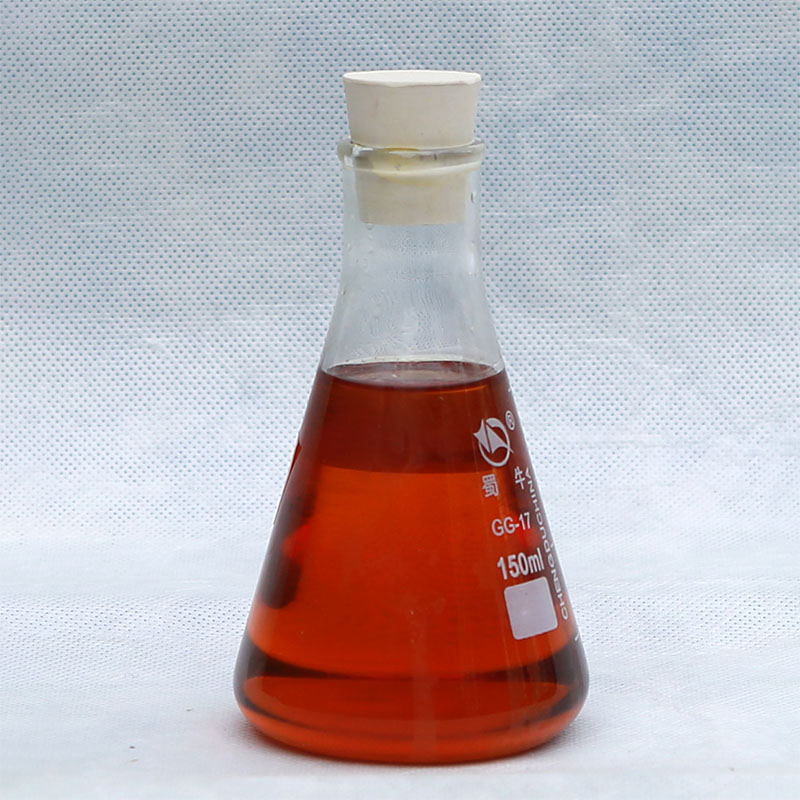


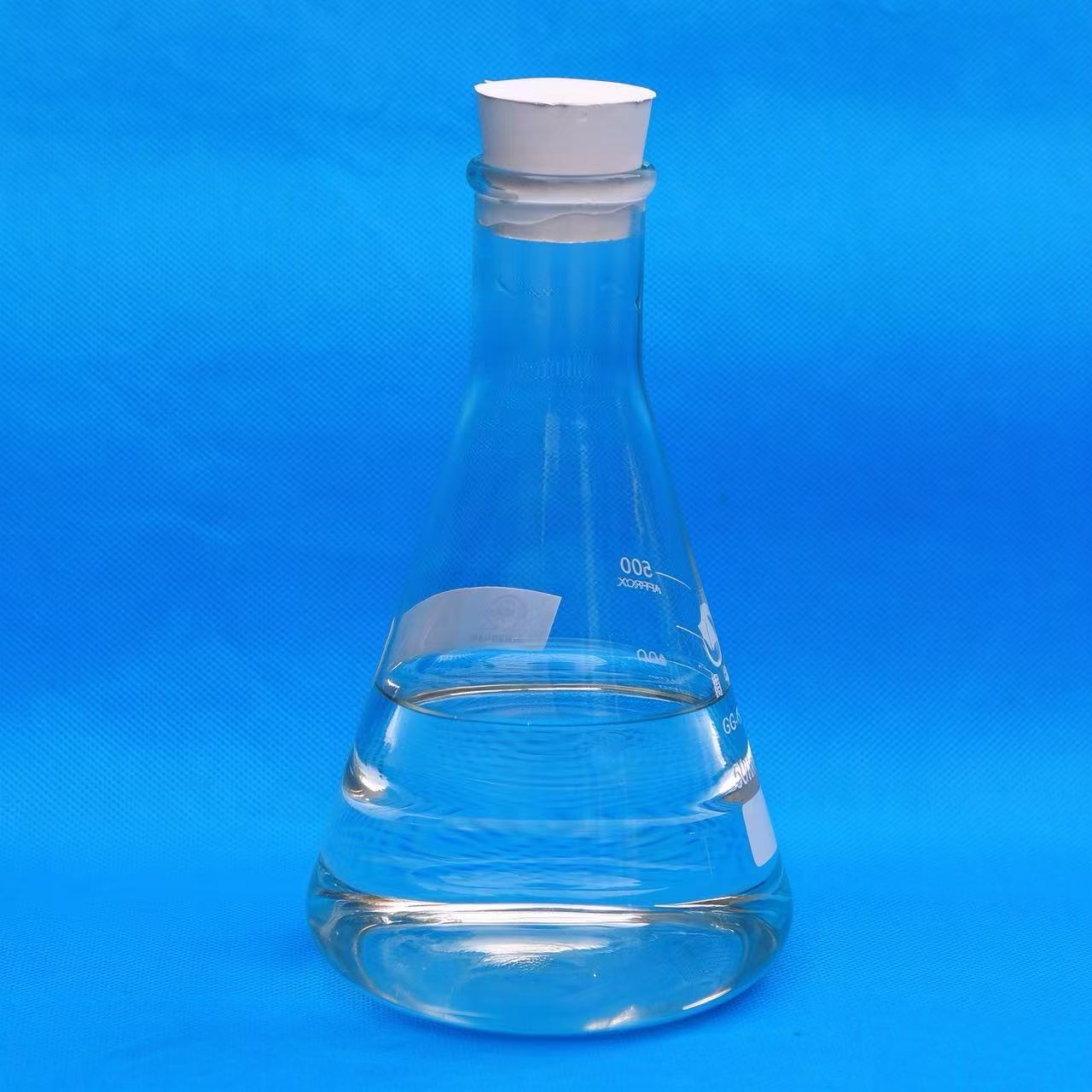
What Is PVB Resin & Why It Matters in Electronic Ceramics
Polyvinyl butyral (PVB) resin is a thermoplastic polymer synthesized from the reaction of polyvinyl alcohol (PVA) with butyraldehyde. Known for its extraordinary adhesion, optical clarity, flexibility, and chemical resistance, PVB resin has become an indispensable functional material in the global electronics and advanced ceramics industries. Its ability to uniformly disperse ceramic powders, maintain green-body integrity during sintering, and burn out cleanly without leaving carbonaceous residues makes it uniquely suited for high-precision electronic ceramic manufacturing.
In the domain of safety and health protection, PVB resin for electronic ceramics plays a dual role: first, it enables the production of safety-critical components such as piezoelectric sensors, varistors, thermistors, and multilayer ceramic capacitors (MLCCs) that underpin life-safety systems; and second, as a material platform it supports biocompatible and low-emission formulations aligned with increasingly stringent global health regulations.
The Strategic Role of PVB Resin in Safety-Critical Electronic Ceramic Systems
From automotive ADAS sensors to medical imaging transducers and industrial safety relays, PVB resin-derived electronic ceramic components form the invisible backbone of modern safety infrastructure. Its precision-engineered binder properties ensure that ceramic green bodies maintain dimensional accuracy within microns — enabling zero-defect manufacturing in life-critical applications.
Industrial & Commercial Status: PVB Resin in Electronic Ceramics
A comprehensive look at the global market landscape, key industrial drivers, and competitive dynamics shaping PVB resin demand for electronic ceramics in safety and health sectors.
Global Market Scale & Growth
The global PVB resin market surpassed USD 4.2 billion in 2024, with the electronic ceramics segment growing at a CAGR of approximately 7.8% through 2030. Asia-Pacific, led by China, Japan, and South Korea, accounts for over 65% of total consumption, driven by massive MLCC, piezoelectric sensor, and ceramic substrate production capacities.
Key Industrial Drivers
Accelerating adoption of electric vehicles (EVs), expanding 5G network infrastructure, proliferation of IoT devices, and growing investments in medical electronics are primary demand catalysts. Each of these sectors relies on PVB-processed electronic ceramic components for precise sensing, signal filtering, energy storage, and electromechanical actuation.
Regulatory & Health Compliance Push
RoHS, REACH, and emerging global environmental legislation are compelling manufacturers to shift from traditional solvent-based PVB systems toward aqueous and low-VOC formulations. This regulatory pressure is simultaneously creating new commercial opportunities for specialty PVB resins that balance performance with health and environmental safety.
China's Dominant Position in PVB-Enabled Electronic Ceramic Manufacturing
China's electronic ceramics industry has undergone a dramatic transformation over the past two decades. Domestic manufacturers have not only achieved import substitution across core PVB resin grades but are now actively competing in the premium, high-specification segments historically dominated by Japanese and European suppliers. Companies such as Sichuan EM Technology Co., Ltd. — operating since 1966 and listed on the Shanghai A-share market since 2011 — exemplify this trajectory, combining decades of polymer chemistry expertise with large-scale manufacturing infrastructure.
The integration of PVB resin production with downstream electronic ceramic processing within single supply chains has become a defining competitive advantage. Vertically integrated producers can tightly control molecular weight distribution, butyralization degree, and solution viscosity — parameters that directly govern tape-casting quality, green-body density uniformity, and ultimately the electrical performance of sintered ceramic components.
Development Trends: Where PVB Resin & Electronic Ceramics Are Heading
Water-Based & Bio-Derived PVB Formulations
The industry is transitioning from ethanol/toluene-based PVB solutions to aqueous dispersions and waterborne systems, significantly reducing VOC emissions and improving occupational health safety in ceramic processing facilities. Pilot-scale production of bio-based PVB using renewable feedstocks has begun at several advanced material companies.
Ultra-Thin Tape Casting for Next-Gen MLCCs
The push toward sub-micron ceramic dielectric layers in next-generation MLCCs demands PVB resins with exceptionally narrow molecular weight distributions and ultra-low gel content. Advanced synthesis and purification technologies are enabling PVB grades that support tape casting below 1 μm thickness — a frontier that underpins capacitor miniaturization in 5G and AI hardware.
Medical-Grade PVB for Biocompatible Ceramics
The convergence of electronic ceramics and medical devices is generating demand for PVB resins that meet biocompatibility standards (ISO 10993) and can be used in fabricating piezoelectric ceramics for ultrasound transducers, bioimplantable sensors, and drug delivery actuation systems. Health protection is now a primary design criterion, not an afterthought.
High-Voltage Ceramic Capacitors for EVs & Grid
As electric vehicles and smart grid systems demand ceramic capacitors rated at 1kV–10kV, the binder system performance at elevated firing temperatures and high-purity dielectric compositions becomes critical. Next-generation PVB grades with improved thermal decomposition profiles and lower ash residues are being developed specifically for these high-reliability applications.
AI-Driven Process Optimization
Machine learning and digital twin technologies are being deployed to model PVB resin behavior in ceramic processing — from slurry rheology prediction to sintering shrinkage control. This digitalization trend is reducing development cycles from months to weeks and enabling unprecedented consistency in mass production of safety-critical ceramic components.
Supply Chain Localization & Resilience
Post-pandemic supply chain disruptions have accelerated regional localization of PVB resin supply. Major ceramic component manufacturers in Europe and North America are actively qualifying Asian PVB suppliers, including Chinese manufacturers, as primary sources — a structural shift that is reshaping global trade flows in specialty polymer markets.
Deep Application Scene Analysis
PVB resin for electronic ceramics enables a wide spectrum of safety and health protection applications across multiple high-value industries.
Automotive Safety Systems
PVB-processed piezoelectric ceramics are central to automotive ADAS: ultrasonic parking sensors, knock sensors, ABS pressure transducers, and airbag deployment actuators. Zero-defect ceramic green-body quality directly translates to life-safety reliability in collision avoidance and passive safety systems.
Medical Diagnostic Equipment
High-frequency ultrasound transducers for diagnostic imaging, lithotripsy systems, and therapeutic ultrasound devices rely on PVB-bound PZT ceramics. Medical-grade PVB resins ensure ultra-low contamination and biocompatible burnout, meeting the stringent requirements of ISO 13485 and FDA-regulated manufacturing environments.
5G & Telecommunications
MLCC components processed with high-purity PVB resins are integral to 5G base station RF filters, antenna impedance matching networks, and power management circuits. The exceptional tape-casting uniformity enabled by advanced PVB grades supports the sub-micron dielectric layer precision required for millimeter-wave applications.
Smart Grid & Energy Storage
Ceramic varistors and multilayer ceramic capacitors produced via PVB tape casting provide overvoltage protection across smart grid infrastructure — protecting both equipment and human operators from surge events. PVB resin quality directly determines the breakdown voltage uniformity and long-term reliability of these safety devices.
Rail Transportation Safety
High-speed rail systems deploy PVB-ceramic-derived NTC thermistors for real-time temperature monitoring of traction motors and power electronics, as well as piezoelectric accelerometers for track condition monitoring. These components must perform flawlessly across extreme temperature cycles and vibration environments.
Industrial Process Safety & NDT
Non-destructive testing (NDT) probes used for structural integrity inspection of pipelines, pressure vessels, bridges, and aircraft structures are built around PVB-processed ultrasonic ceramic elements. The dimensional stability and acoustic homogeneity of the ceramic body — governed by PVB binder quality — directly determines inspection sensitivity and defect detection probability.
Technical Properties That Define PVB Resin Performance in Electronic Ceramics
🔑 Butyralization Degree & Molecular Weight Distribution
The butyralization degree of PVB resin — typically ranging from 65% to 80% — governs the balance between solubility, adhesion, and flexibility. Higher butyralization yields improved solubility in organic solvents and greater green-body flexibility, while lower degrees enhance residual hydroxyl content and adhesion strength to ceramic particle surfaces. For electronic ceramic tape casting, manufacturers specify tight molecular weight distributions (Mw/Mn < 2.5) to ensure consistent slurry viscosity and defect-free cast film uniformity.
🔑 Plasticizer Compatibility & Green-Body Flexibility
PVB resin must be formulated with appropriate plasticizers — typically dibutyl phthalate (DBP) or dioctyl phthalate (DOP), and increasingly with health-safe alternatives such as citrate esters — to achieve the target green-body flexibility for handling and punching operations. The resin-plasticizer interaction must remain stable across the full range of ceramic slurry processing temperatures, typically 20°C to 60°C.
🔑 Clean Burnout Profile & Low Ash Residue
Perhaps the most critical functional requirement for ceramic processing is the clean thermal decomposition of PVB below 500°C, leaving minimal carbonaceous residue that could disrupt dielectric properties or create sintering defects. Premium-grade PVB resins for electronic ceramics are engineered for complete burnout in both oxidizing and reducing atmospheres, supporting the full spectrum of ceramic dielectric and piezoelectric compositions.
Why PVB Quality Directly Impacts Safety Device Reliability
In safety-critical ceramic component manufacturing, binder quality is not a secondary consideration — it is a primary reliability determinant. Variations in PVB molecular weight, gel particle content, or residual acetate groups can cause tape-casting defects (pinholes, thickness non-uniformity, delamination) that propagate through sintering into catastrophic electrical failures. For applications in automotive safety systems, medical devices, and power grid protection, component failure is not an option. This is why leading electronic ceramic manufacturers globally specify PVB resin with the most stringent quality parameters, and why investment in PVB resin R&D is accelerating.
— COMPANY PROFILE
Sichuan EM Technology Co., Ltd., established in 1966 and headquartered in Mianyang, Sichuan, south-west part of China, as the 1st public company of electrical insulation material manufacturer in China and National Insulation Material Engineering Technical Research Center, we have comprehensive R&D and manufacturing capabilities to manufacture polyester films, halogen-free polycarbonate and polypropylene films, capacitor polypropylene films, rigid & flexible laminates, mica tapes, thermosetting composites, precision coating product, molding compounds (DMC, SMC), functional PET chips (FR PET chip, anti-bacterial PET chip, etc.), impregnating varnishes and wire enamels, PVB resin & interlayers, special resin (esp. for CCL), etc. We are certified by ISO9001, IATF16949:2016, ISO10012, OHSAS18001 and ISO14001.
We export to the worldwide markets in varied industries, including power generation equipment, UHV power transmission, smart grid, new energy, rail transportation, consumer electronics, 5G communication, and panel display. EMT has established long-term and stable cooperative partnerships with all our partners across the world, whilst providing strong supports in manufacturing services to original equipment manufacturers (OEMs).

Vision & Mission
VISION
To Become a World-renowned Innovative New Material Product and Service Supplier.
MISSION
To Provide Safe and Environment-friendly New Material Solution for the Society, Create a Better New Life.
Manufacturing Sites

Milestone
2024
Meishan base established. Chengdu second headquarters officially completed.
2023
Shandong Aimonte was awarded the title of "Little Giant with Specialization, Specialization and Innovation" in Shandong Province. Aimonte Aviation was awarded the National Second-Class Confidentiality Qualification. Henan Huajia was awarded the title of "Gazelle" Enterprise in Henan Province.
2022
Established Chengdu Glenson Health Technology Co., Ltd., and Sichuan EM Technology (Chengdu) International Trading Co., LTD.
2021
Established Sichuan EM Functional Film Materials & Technology Co. Ltd., and Sichuan EMT New Material Co., Ltd.
2020
Wholly-owned acquired Shandong Shengtong Optical Materials Technology Co, Ltd., and established Shandong EMT New Material Co., Ltd.
2018
Established EMT Chengdu New Material Co., Ltd., and Chengdu Drug and Cancer Pharmaceutical Technology Co., Ltd.
2015
Acquired 51% of total equity of Taihu Jinzhang Science & Technology Co., Ltd.
2014
Acquired 62.5% of total equity of Henan Huajia New Material Technology Co., Ltd.
2012
Established Jiangsu EMT New Material Co., Ltd.
2011
Listed on the Shanghai A-share market, the first electrical insulation materials industry listed company in China.
2007
Renamed Sichuan EM Technology Co., Ltd.
2005
Wholly-owned acquisition by Guangzhou Gaoking Group.
1994
Restructured into Sichuan Dongfang Insulation Materials Co., Ltd., and established Sichuan EM Enterprise Group Company.
1966
EMT's predecessor, state-owned Dongfang Insulation Material Factory relocated from Harbin to Sichuan.
Group Structure

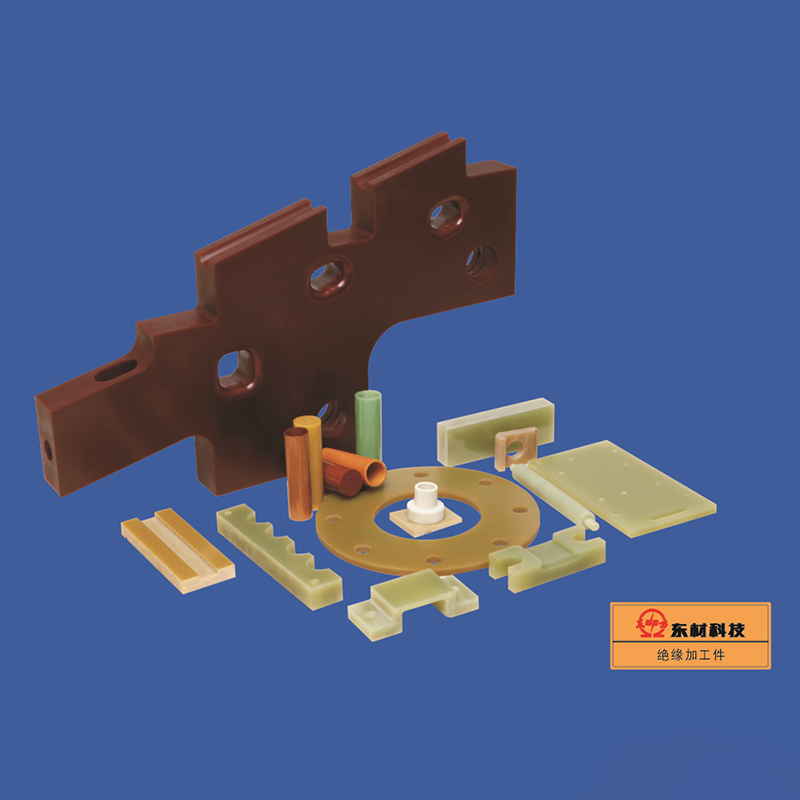
More PVB Resin & Electronic Ceramics Safety Solutions
Explore our comprehensive product portfolio for electronic ceramics safety, insulation, and health protection applications.



Partner With a World-Class PVB Resin & Electronic Ceramics Material Supplier
With over 58 years of expertise, 12+ manufacturing sites, and a global customer base across 100+ countries, Sichuan EM Technology Co., Ltd. is your trusted partner for PVB resin solutions that advance safety and health protection in electronic ceramics applications.
Explore All Products →

