Phone: +86-816-2295680
 E-mail: sales@dongfang-insulation.com


Core Product Lines
Explore our leading electronic material solutions trusted by manufacturers across Argentina and worldwide.
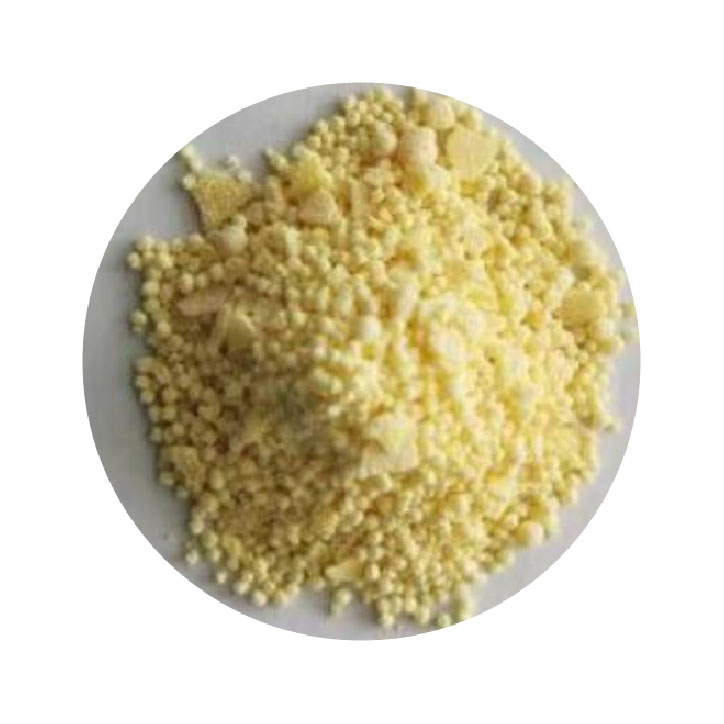
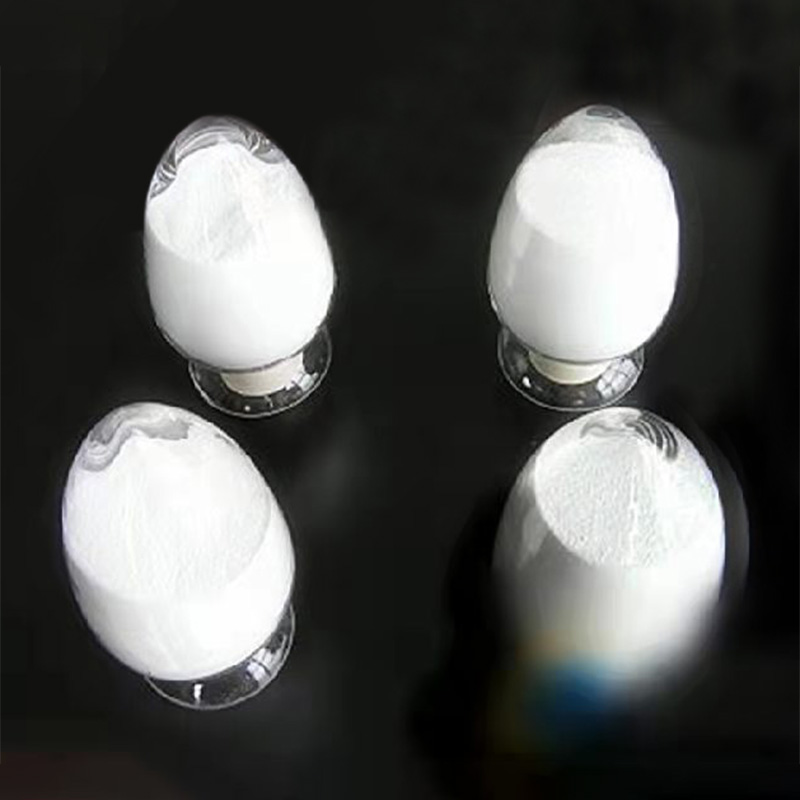
What Is PVB Resin for Electronic Ceramics?
Polyvinyl butyral (PVB) resin has long been recognized as a critical functional material in the production of electronic ceramics — a category that includes multilayer ceramic capacitors (MLCCs), piezoelectric devices, ceramic substrates, and other precision components that are fundamental to modern electronics manufacturing.
In electronic ceramic fabrication, PVB resin serves as an organic binder in tape-casting and screen-printing processes. It enables the creation of thin, uniform ceramic green sheets with excellent flexibility, mechanical strength, and surface smoothness. When the green sheet is subsequently fired at high temperatures, the PVB binder burns out cleanly — leaving behind a dense, defect-free ceramic body that meets the stringent performance standards demanded by sectors such as telecommunications, automotive electronics, and industrial automation.
Why PVB Resin is Irreplaceable in MLCC Production
PVB resin offers an optimal balance of solubility in common solvents, high tensile strength in green sheet form, and near-zero ash residue after sintering — properties that no other binder system has yet matched cost-effectively at industrial scale for electronic ceramic applications.
The key technical parameters that define high-quality PVB resin for electronic ceramics include: degree of butyralization (typically 68–80 mol%), residual hydroxyl content, molecular weight distribution, viscosity, and purity. These parameters directly affect the casting quality of ceramic slurries, the mechanical performance of the green tape, and the ultimate microstructure of the sintered ceramic part.

PVB Resin in Numbers — Argentina & Global Context
The Electronic Ceramics Industry in Argentina
Argentina occupies a unique position in Latin America's electronics and advanced materials landscape. As South America's second-largest economy, the country has invested significantly in developing its domestic electronics manufacturing, telecommunications infrastructure, and clean energy sectors — all of which create growing demand for high-performance electronic ceramic components and, by extension, high-purity PVB resin as a critical upstream material.
Industrial Electronics Manufacturing Hubs
Key industrial clusters in Buenos Aires, Córdoba, and Tierra del Fuego host electronics assembly and component manufacturing operations. The Tierra del Fuego free-trade zone, home to consumer electronics brands and component suppliers, represents a significant consumption point for specialty materials including PVB resin used in ceramic capacitors and sensors.
Argentina's INVAP — the state-owned company renowned for nuclear reactor and satellite technology — and CONICET (the national research council) are both involved in advanced ceramics research and production for defense, aerospace, and scientific instrumentation. These sectors demand the highest purity grades of PVB resin for precise ceramic tape casting and sintering processes.
The country's telecommunications sector is undergoing rapid transformation, with major carriers rolling out 4G LTE networks across provincial cities and beginning preparations for 5G deployment in urban centers. This expansion drives demand for passive components such as MLCCs, ceramic resonators, and ceramic filters — all manufactured using PVB resin binders. Local component distributors and electronics manufacturers are increasingly sourcing specialty resins directly from qualified international suppliers to meet both performance standards and import cost efficiencies.
Argentina's automotive industry — centered around the provinces of Buenos Aires, Santa Fe, and Córdoba — is also a significant driver. Domestic vehicle production from brands like Volkswagen Argentina, Toyota Argentina, and Fiat Chrysler incorporates increasing numbers of electronic control units (ECUs), sensors, and power modules that rely on electronic ceramic components. The transition toward hybrid and electric vehicles further intensifies this demand.
Key Application Scenarios for PVB Resin in Argentina
How PVB resin for electronic ceramics serves Argentina's most dynamic industrial sectors.
Telecommunications & 5G Infrastructure
Ceramic filters, resonators, and dielectric components for base stations and antenna systems require ultra-pure PVB binders to achieve sub-micron microstructure consistency and tight electrical tolerances.
Automotive Electronics
ECU sensors, ABS modules, and power inverters for Argentina's vehicle production lines incorporate MLCC stacks produced with high-purity PVB resin tape-casting technology.
Renewable Energy Systems
Argentina's booming solar and wind energy sectors use ceramic piezoelectric sensors, varistors, and thermistors in control systems — all manufactured with PVB resin binder.
Aerospace & Defense
INVAP and related entities use high-grade ceramic components in satellite instrumentation and nuclear monitoring equipment, necessitating premium PVB resin with strict purity and low-ash specifications.
Medical Devices
Ultrasound transducers, biosensors, and diagnostic imaging equipment manufactured or assembled in Argentina use piezoelectric ceramics with PVB-based binder systems for precision acoustic performance.
Energy Storage & Smart Grid
Ceramic capacitors and solid-state components for smart grid infrastructure and battery management systems in Argentina's energy modernization programs rely on consistent PVB resin quality.
Development Trends: PVB Resin & Electronic Ceramics in Argentina
Miniaturization & High Capacitance Demand
As electronic devices become smaller and more powerful, MLCC manufacturers require PVB resin with finer particle size distribution and tighter molecular weight control to produce thinner dielectric layers below 1 micron.
Green Chemistry & Solvent Reduction
Environmental regulations in Argentina are pushing ceramic manufacturers toward water-based and low-VOC PVB systems. Advanced PVB resin grades now enable aqueous tape casting, reducing solvent waste and compliance costs.
AI-Driven Quality Control
Leading PVB resin suppliers are integrating AI-powered molecular analysis and real-time process monitoring to ensure batch-to-batch consistency — a critical requirement for automated MLCC production lines.
Supply Chain Localization
Argentina's government incentives for domestic industrial development are encouraging electronics manufacturers to establish closer supply relationships with qualified Asian specialty material suppliers, enabling more stable and cost-efficient sourcing of PVB resin.
EV & New Energy Acceleration
Argentina's lithium reserves and growing EV policy support are accelerating domestic battery and power electronics production, creating new demand streams for ceramic components and their upstream PVB resin binders.
High-Reliability Grading Standards
Aerospace and defense-grade electronic ceramics produced in Argentina increasingly require PVB resin certified to AEC-Q200 and MIL-spec equivalent standards, driving demand for traceable, documentation-backed material supply.
Sichuan EM Technology Co., Ltd.
Sichuan EM Technology Co., Ltd., established in 1966 and headquartered in Mianyang, Sichuan, south-west part of China, as the 1st public company of electrical insulation material manufacturer in China and National Insulation Material Engineering Technical Research Center, we have comprehensive R&D and manufacturing capabilities to manufacture polyester films, halogen-free polycarbonate and polypropylene films, capacitor polypropylene films, rigid & flexible laminates, mica tapes, thermosetting composites, precision coating product, molding compounds (DMC, SMC), functional PET chips (FR PET chip, anti-bacterial PET chip, etc.), impregnating varnishes and wire enamels, PVB resin & interlayers, special resin (esp. for CCL), etc. We are certified by ISO9001, IATF16949:2016, ISO10012, OHSAS18001 and ISO14001.
We export to the worldwide markets in varied industries, including power generation equipment, UHV power transmission, smart grid, new energy, rail transportation, consumer electronics, 5G communication, and panel display. EMT has established long-term and stable cooperative partnerships with all our partners across the world, whilst providing strong supports in manufacturing services to original equipment manufacturers (OEMs).
Our Vision & Mission
VISION
To Become a World-renowned Innovative New Material Product and Service Supplier.
MISSION
To Provide Safe and Environment-friendly New Material Solution for the Society, Create a Better New Life.
Manufacturing Sites


Milestone
2024
Meishan base established. Chengdu second headquarters officially completed.
2023
Shandong Aimonte was awarded the title of "Little Giant with Specialization, Specialization and Innovation" in Shandong Province. Aimonte Aviation awarded National Second-Class Confidentiality Qualification. Henan Huajia awarded "Gazelle" Enterprise in Henan Province.
2022
Established Chengdu Glenson Health Technology Co., Ltd., and Sichuan EM Technology (Chengdu) International Trading Co., LTD.
2021
Established Sichuan EM Functional Film Materials & Technology Co. Ltd., and Sichuan EMT New Material Co., Ltd.
2020
Wholly-owned acquired Shandong Shengtong Optical Materials Technology Co, Ltd., and established Shandong EMT New Material Co., Ltd.
2018
Established EMT Chengdu New Material Co., Ltd., and Chengdu Drug and Cancer Pharmaceutical Technology Co., Ltd.
2015
Acquired 51% of total equity of Taihu Jinzhang Science & Technology Co., Ltd.
2014
Acquired 62.5% of total equity of Henan Huajia New Material Technology Co., Ltd.
2012
Established Jiangsu EMT New Material Co., Ltd.
2011
Listed on the Shanghai A-share market, the first electrical insulation materials industry listed company in China.
2007
Renamed Sichuan EM Technology Co., Ltd.
2005
Wholly-owned acquisition by Guangzhou Gaoking Group.
1994
Restructured into Sichuan Dongfang Insulation Materials Co., Ltd., and established Sichuan EM Enterprise Group Company.
1966
EMT's predecessor, state-owned Dongfang Insulation Material Factory relocated from Harbin to Sichuan.
Corporate Structure
- Sichuan Dongfang Insulation Material Co., Ltd.
- Sichuan EMT New Material Co., Ltd.
- Jiangsu EMT New Material Co., Ltd.
- Shandong Shengtong Optical Materials Technology Co., Ltd.
- EMT Chengdu New Materials Technology Co., Ltd.
- Chengdu D&C Pharma. Technology Co., Ltd.
- Sichuan EMT Aviation Equipment Co., Ltd.
- Henan Huajia New Material Technology Co., Ltd.
- Shandong EMT New Material Co., Ltd.
- Shandong Dongrun New Material Co., Ltd.
- Sichuan EM Functional Film Materials & Technology Co., Ltd.
- Sichuan EM Technology (Chengdu) International Trading Co., Ltd.
Complete Product Portfolio
Discover the full range of advanced electronic and insulation materials available for Argentina's industrial and manufacturing sector.